

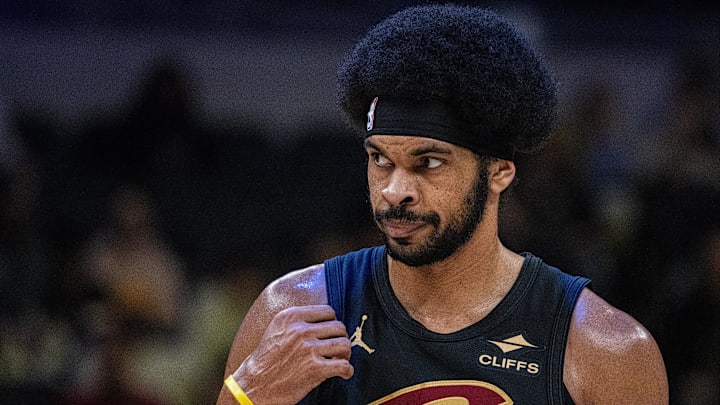
Trading De'Andre Hunter and Lonzo Ball helped the Cleveland Cavaliers come close to exiting the second apron before the trade deadline.
As the deadline closed, though, the Cavs still sat $4 million over the threshold after dropping $18 million salary in the last week. Cleveland managed to navigate the trade deadline despite the heavy trade restrictions caused by the apron, adding James Harden, Keon Ellis and Dennis Schroder. The Cavs certainly deserve to be commended for their deadline work. In pure talent, Cleveland improved with better depth, defense and star talent.
Trading Darius Garland for Harden gave a definitive close to the core four era, entering a win-now, win-or-bust mindset. Still, even that trade could turn into a cap space saving this summer if Harden declines his player option and negotiates a better deal with the Cavaliers.
The Cavaliers seemed hellbent on balancing contention with financial flexibility, trading Lonzo and two second-round picks to the Utah Jazz for nothing in return. Instead, the deadline buzzer sounded with Cleveland just slightly too expensive.
Despite addressing team needs and dropping millions in salary, the Cavs will face steep penalties for finishing year over the apron.
With the rest of the year in the second apron, the Cavaliers' 2033 first-round pick will now be frozen and unavailable to trade. Unless the Cavs are out of the apron three of the next four years, that pick will also be the final pick of the first round, regardless of team record.
The Cavaliers couldn't find the right trade to exit the second apron
Following the Lonzo deal, it seemed apparent that the Cavaliers would chase one final trade to drop salaries and reclaim financial stability. The Indiana Pacers became rumored suitors for big man Jarrett Allen, spurring a round of speculation about a deal that could benefit the Cavs by adding draft capital, depth talent and enough cap relief.
Once the Pacers secured a deal with the LA Clippers for Ivica Zubac, however, the Cavs' chances almost instantly vanished. Indiana seemed to be the final frontier of interested Allen teams, meaning the Cavaliers had missed their window to achieve their luxury tax goals.
A few days earlier, Max Strus had also popped up on the Cavs' trade block, but no substantial rumors ever emerged for the injured wing.
The Cavaliers were one of the busiest teams at the deadline. The front office maneuvered a complicated deadline and found a way to improve the roster and lower the luxury tax bill considerably. If no noticeably worthwhile trades manifested for Allen or Strus, though, the Cavs likely made the only right choice and restrained.
With an open roster spot after the Lonzo trade, the Cavaliers are reportedly focused on converting two-way forward Nae'Qwan Tomlin to a standard contract, rewarding the young prospect's efforts and development in his sophomore season.
Now, with a star core of Harden, Donovan Mitchell and Evan Mobley, the Cleveland Cavaliers will continue towards the postseason with eyes on reaching the top of the Eastern Conference standings ahead of the first round. Currently, Cleveland sits 31-21 after a rough start, only 22.5 games behind the two-seeded New York Knicks.
 Add us as a preferred source on Google